Artists Are Not Being Replaced by AI—And the Fear Misses the Deeper Truth
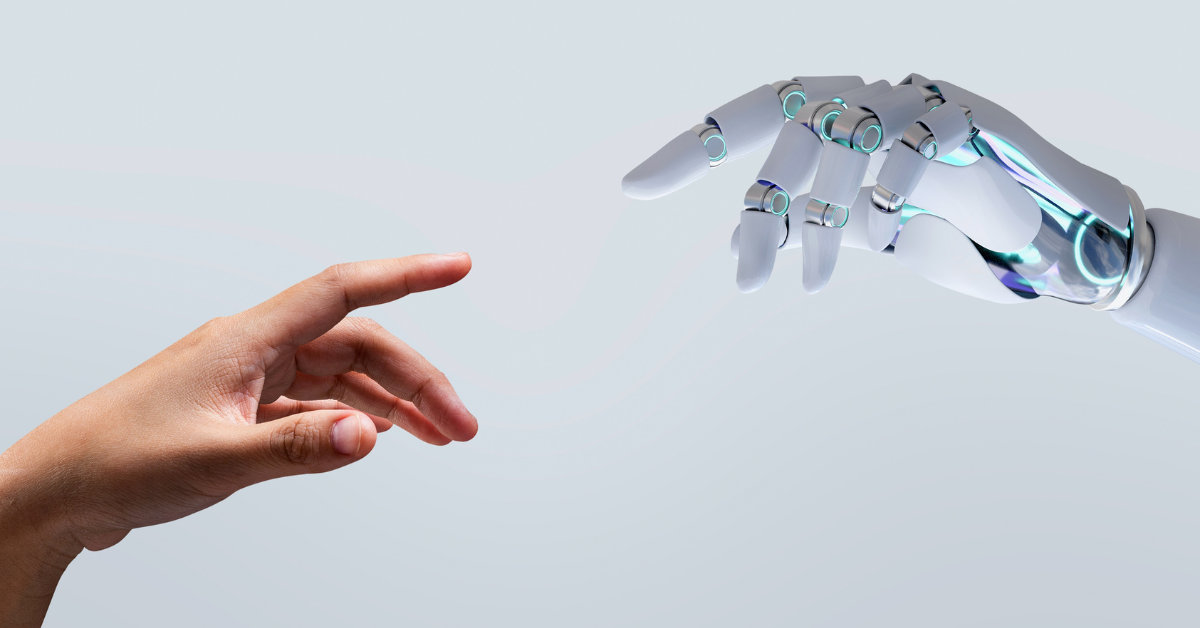
The anxiety is understandable. Every technological shift arrives with a tremor, and artificial intelligence has landed with a seismic one. Headlines ask whether artists are becoming obsolete. Social feeds hum with images, poems, and songs generated in seconds. For some, it feels like the ground is moving under centuries of human creativity. But beneath the noise sits a quieter, sturdier truth: artists are not being replaced. They are being challenged, reframed, and—perhaps unexpectedly—reaffirmed.
Because art has never been about speed, efficiency, or replication. It has always been about meaning.
Why Art Is, at Its Core, Human
Art begins long before the brush hits canvas or the sentence settles into rhythm. It begins with memory, desire, contradiction, fear, faith—those interior states that refuse to be tidy. Artistic expression is shaped by lived experience: a childhood landscape, a political awakening, a private grief, a cultural inheritance. These things are not datasets. They are embodied realities.
An algorithm can analyze patterns in Picasso’s cubism or echo the tonal restraint of Joan Didion. It can remix. It can approximate. What it cannot do is intend. It cannot care whether the work lands or wounds. It does not risk misunderstanding, rejection, or failure. And without risk, art loses its stakes.
Historically, art has functioned as witness. From Goya’s war etchings to Nina Simone’s protest songs, artists have translated human experience into cultural record. That act—of choosing what matters, and why—requires moral, emotional, and social positioning. AI has no position. It has no body in the world.
Expression Is Not Output
One of the great confusions of the AI moment is the belief that art is defined by its final form. A painting. A song. A paragraph. But art has never lived solely in output; it lives in process. In the hesitation before a line is written. In the revisions driven by doubt. In the choice to abandon what works in favor of what feels true.
Human artists change their minds. They contradict themselves. They respond to history as it unfolds, not as it is archived. Their work bears the friction of consciousness—something no system trained on past material can authentically replicate.
Audiences Still Crave the Human Trace
Here’s the part often overlooked in the panic: audiences are not passive. They are perceptive. Even in an age of endless content, people search for voice, perspective, and authorship. They want to know who made the thing and what it cost them to make it.
This is why live performance still matters. Why original works still command attention in a world of copies. Why readers follow writers, not just stories, and listeners follow musicians, not just songs. The human trace—the sense of another mind reaching out—is not a nostalgic preference. It is a psychological need.
As automation expands everywhere else, human expression becomes more valuable, not less. Art becomes a site of trust, intimacy, and shared presence. In a culture increasingly mediated by machines, the handmade, the personal, and the imperfect gain gravity.
Tools Change. Purpose Endures.
Every era mistakes new tools for existential threats. Photography was meant to kill painting. Film was meant to replace theater. Digital media was supposed to flatten literature. None of it happened. Instead, forms adapted, sharpened, and clarified what they were uniquely able to do.
AI belongs in this lineage. It may change how art is made, but not why it is made.
The enduring value of artists lies not in their ability to produce, but in their ability to interpret—to say, this is what it feels like to be alive right now. That task requires consciousness, accountability, and imagination rooted in consequence.
The fear says artists are being replaced. The reality is more interesting: artists are being asked, once again, to articulate what only humans can do.
And history suggests they always rise to the occasion.
Similar Posts
Funding the Arts at Home, Pulling Back Abroad
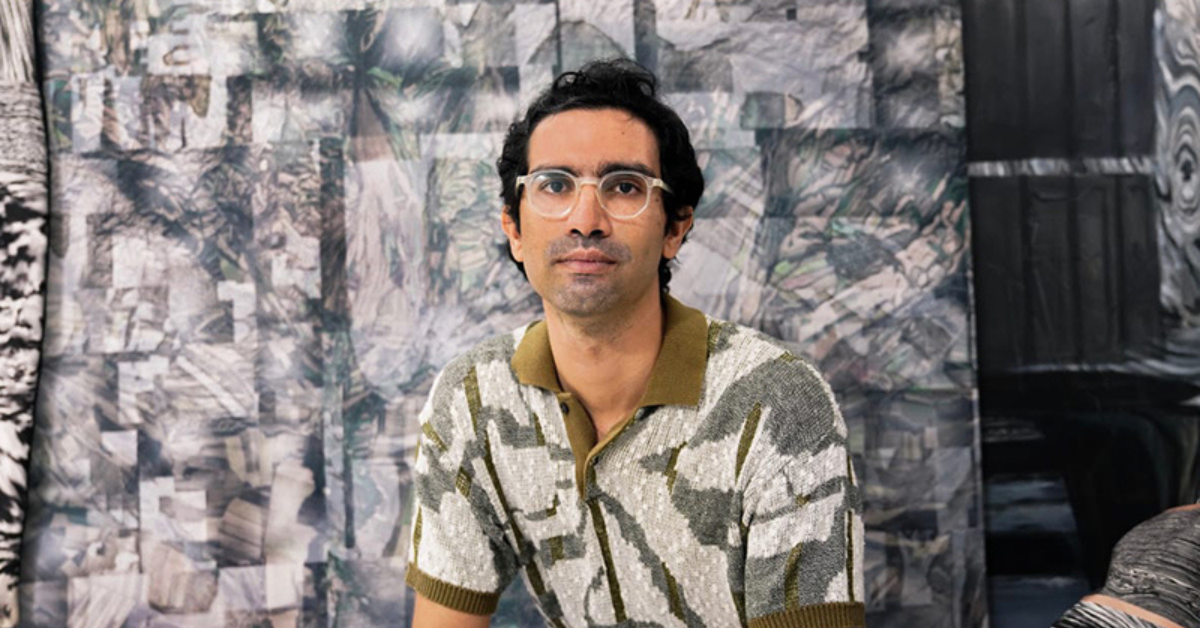
New World School of the Arts Alum Leonardo Castañeda Selected for the 2026 Whitney Biennial
Crossroads of Culture: Highlights from Art Basel Miami Beach 2025
Spotlight Series: Artists who took center stage during Miami Art Week
Savor the Season: Bulla Gastrobar Unveils a Spanish-Inspired Fall Menu
The Sound Inside Us: How Music Rewires the Mind and Restores the Soul
The Colosseum’s New Encore: From Gladiators to Global Music Stages
Experience World-Class Performances for Less with Tomorrow's Stars
Miami's Lincoln Road Turns Into a Free Open-Air Sculpture Garden for Miami Art Week 2025
From Sacred Rituals to Global Stages: A Living History of Theater
The Evolution of Culture Through the Arts