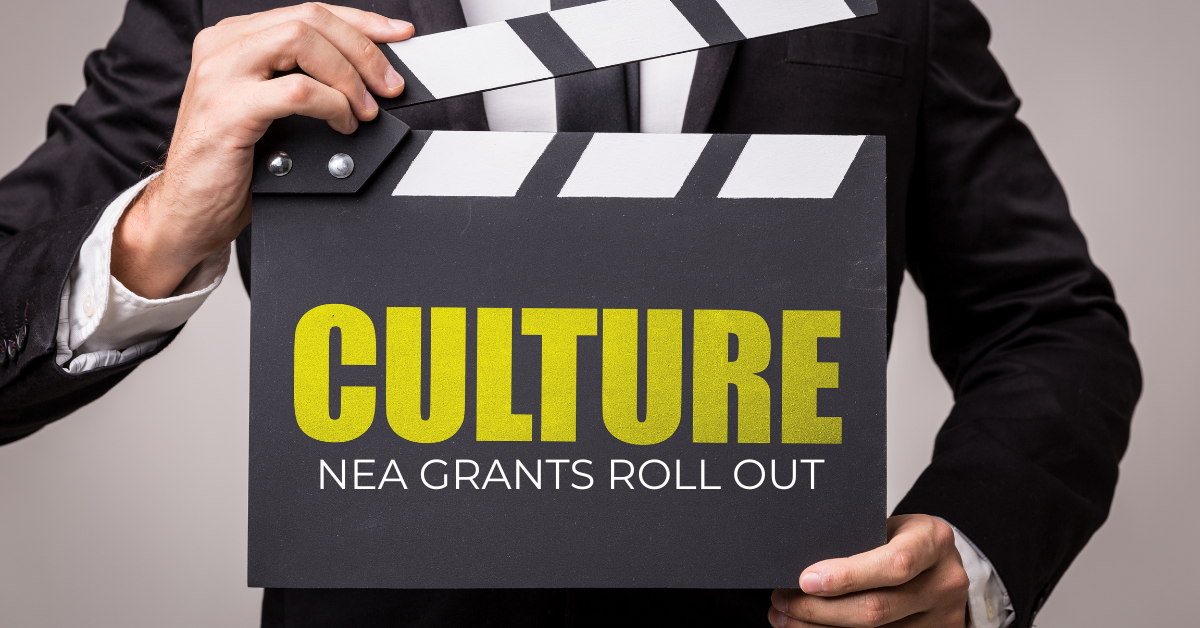
The message from Congress was unusually clear: the arts still matter. In a sweeping, bipartisan vote, the U.S. House of Representatives passed a fiscal year 2026 appropriations package that fully funds both the National Endowment for the Arts and the National Endowment for the Humanities at $207 million each. There were no cuts, no symbolic trims—just a firm statement that federal support for culture remains a shared priority.
For arts advocates who have spent months pressing the case that creativity is civic infrastructure, the outcome carried real weight. The bill now moves to the Senate, where it is expected to advance without significant resistance before reaching the President’s desk. For once, the process appears steady rather than suspenseful.
Momentum didn’t stop at the Capitol. The National Endowment for the Arts also announced more than $16 million in grants to nonprofit arts organizations nationwide as part of its first round of FY26 funding. Many of the projects align with America250, the upcoming 250th anniversary of the United States, reinforcing the idea that national history lives not only in archives and monuments, but in performances, murals, and community-rooted storytelling.
Recommended by the National Council on the Arts, these grants represent only an early portion of the year’s funding. Additional awards will be released on a rolling basis, and the NEA has already published guidelines for its FY27 Grants for Arts Projects, with application deadlines set for February and July 2026. The signal is calm but confident: investment in arts and culture is not slowing, and long-term planning is encouraged.
At the same time, the broader cultural landscape is shifting in quieter, more consequential ways. A new Presidential Memorandum expanding Executive Order 14199 directs federal agencies to withdraw from 66 international organizations deemed contrary to U.S. interests. Among them is the International Federation of Arts Councils and Culture Agencies, a global network where national arts agencies exchange research, policy strategies, and shared challenges.
The decision removes the United States from ongoing international conversations about cultural policy and creative economies. While domestic funding remains intact, the country’s role in shaping global arts dialogue is diminished—a retreat that may not register immediately, but could reverberate over time.
Together, these developments reveal a complicated posture toward culture: confident in its internal investment, cautious—if not skeptical—about international collaboration. The arts are being funded, activated, and celebrated at home, even as the U.S. steps back from the global table. Whether that balance ultimately strengthens American cultural life or narrows its influence is a question still unfolding.
Similar Posts
Artists Are Not Being Replaced by AI—And the Fear Misses the Deeper Truth
New World School of the Arts Alum Leonardo Castañeda Selected for the 2026 Whitney Biennial
Crossroads of Culture: Highlights from Art Basel Miami Beach 2025
Spotlight Series: Artists who took center stage during Miami Art Week

Savor the Season: Bulla Gastrobar Unveils a Spanish-Inspired Fall Menu
The Sound Inside Us: How Music Rewires the Mind and Restores the Soul
The Colosseum’s New Encore: From Gladiators to Global Music Stages
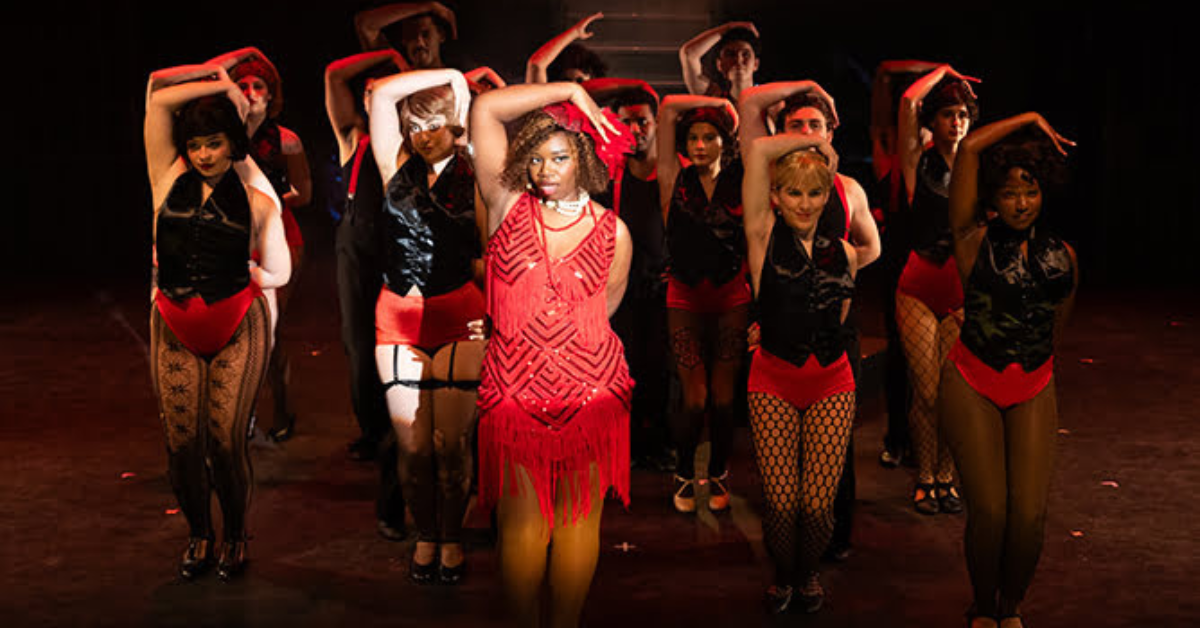
Experience World-Class Performances for Less with Tomorrow's Stars
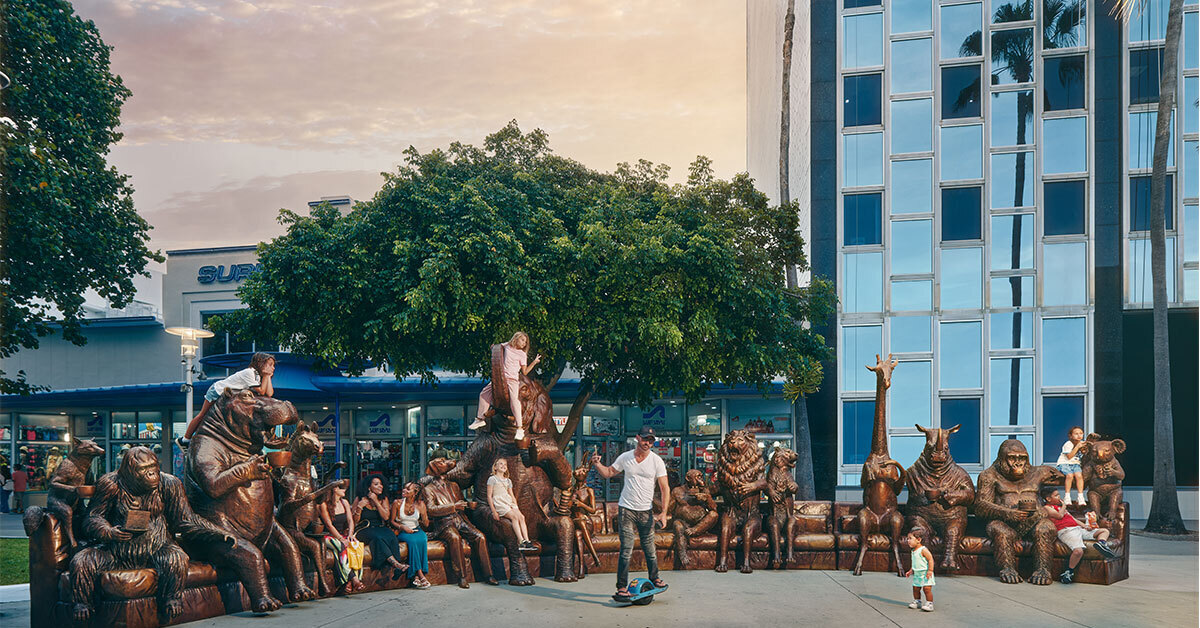
Miami's Lincoln Road Turns Into a Free Open-Air Sculpture Garden for Miami Art Week 2025

From Sacred Rituals to Global Stages: A Living History of Theater
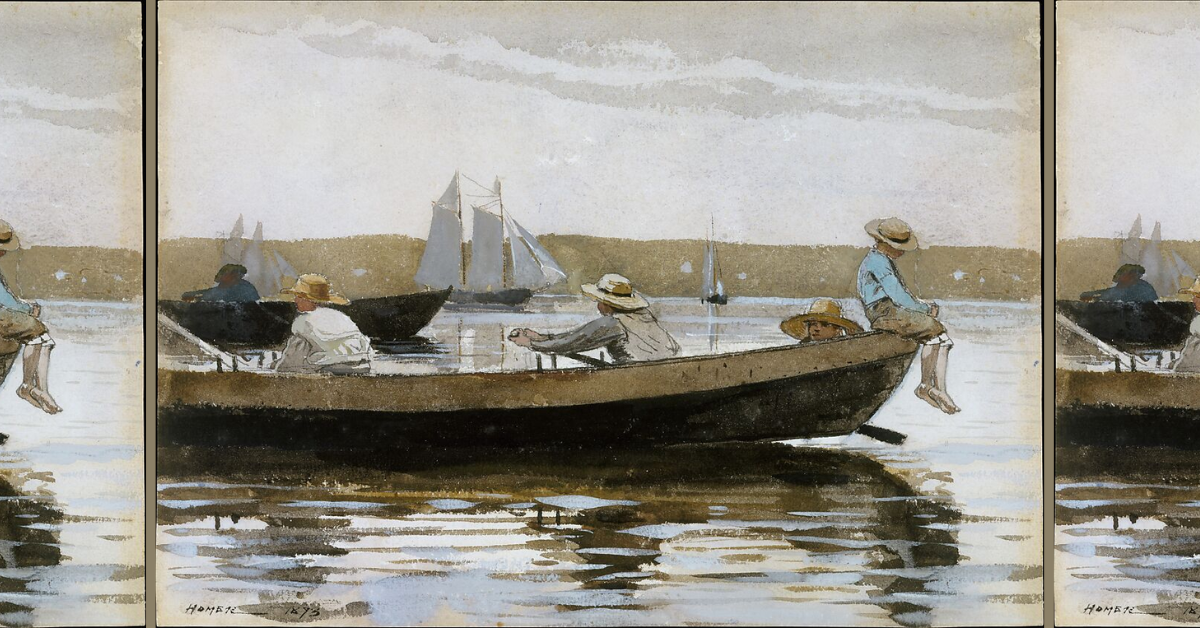
The Evolution of Culture Through the Arts